Nouvelles de l'industrie

Refractory Materials – The Core Support of High-Temperature Industries

I. Introduction to Refractory Materials Refractory materials are inorganic non-metallic materials that maintain strength and stability at high temperatures. They are widely used in metallurgy, cement, power, petrochemical, and environmental protection industries. Main types include high-alumina bricks, clay bricks, refractory castables, refractory cement, insulating bricks, … Lire la suite

Comment choisir les bonnes briques réfractaires et les bons produits moulés réfractaires ?

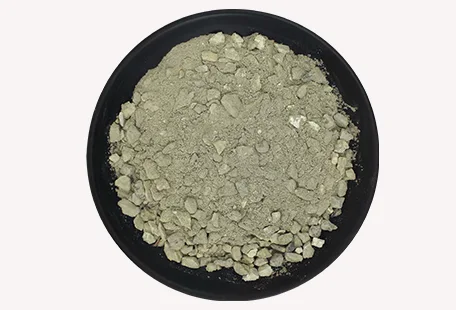
Refractory bricks and refractory castables are the two most common refractory materials used in the design and operation of high-temperature industrial furnaces. They have different performance characteristics and applications, and choosing the right one directly impacts the furnace’s lifespan and operating costs. 1. The Difference … Lire la suite

Qu'est-ce que la boue réfractaire ?

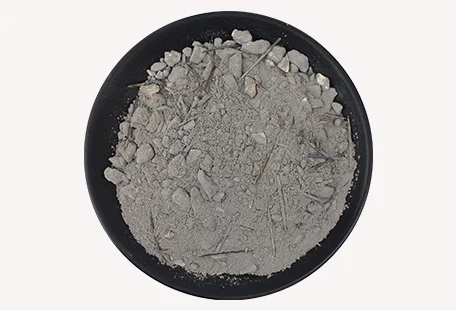
Refractory mud is also called refractory mortar. It is a high-temperature resistant bonding material primarily used for refractory brick masonry, bonding the bricks together, much like cement mortar used in conventional construction. Main Ingredients of Refractry Mud Refractory fine powder (high-alumina, silica, magnesia, etc., selected … Lire la suite

Différences entre la magnésie calcinée légère et la magnésie calcinée morte

Lightly calcined magnesia (light-burned magnesia) and dead burned magnesia are both produced from magnesite, but they differ significantly in calcination temperature, physical properties, chemical reactivity, and applications. 1. Definition & Calcination Temperature Item Lightly Calcined Magnesia (Light-burned MgO) Dead Burned Magnesia (DBM) Calcination Temperature 700–1000℃ … Lire la suite